





Article: Signage for Property Developers: Why a Joined-Up Design Approach Matters

Signage for Property Developers: Why a Joined-Up Design Approach Matters
Signage for property developers is often treated as a finishing detail — but in reality, it plays a critical role in how a development is perceived, navigated, and valued.
In many developments, signage issues do not arise because of poor design in isolation — they arise because signage is introduced too late in the process.
- Material palettes are already fixed
- Sightlines are constrained
- Installation options are limited
The result is signage that feels disconnected from the architecture, even when the individual elements are well designed.
What Is Property Developer Signage?
Property developer signage refers to the full system of signage used across a development, including:
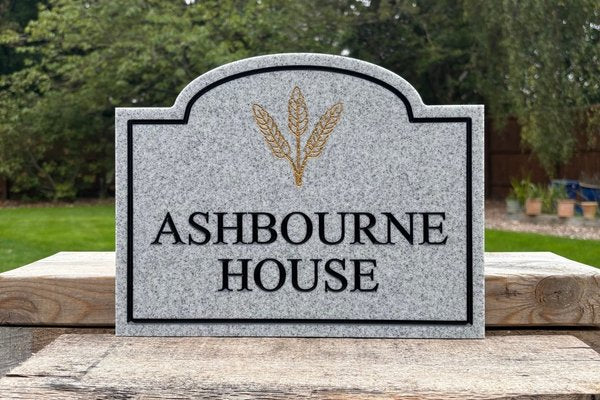
- Entrance signage
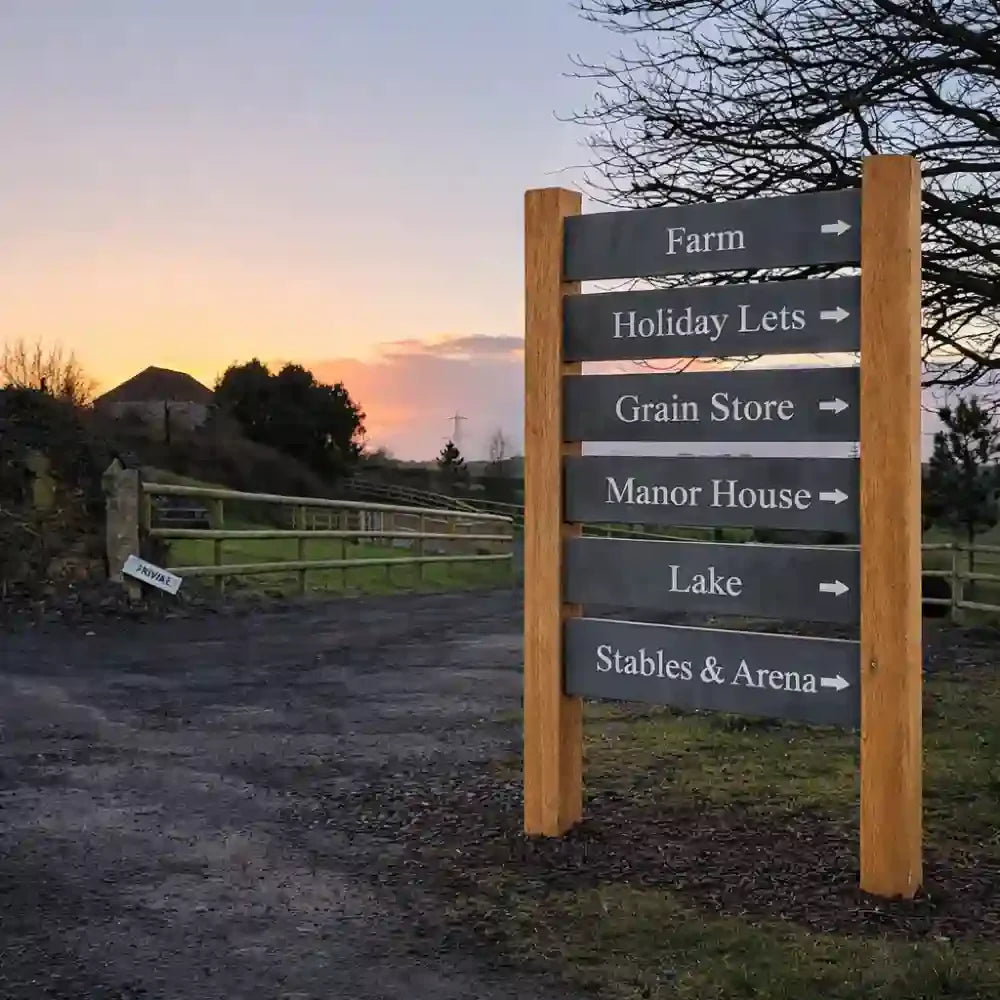
- Wayfinding and directional signage
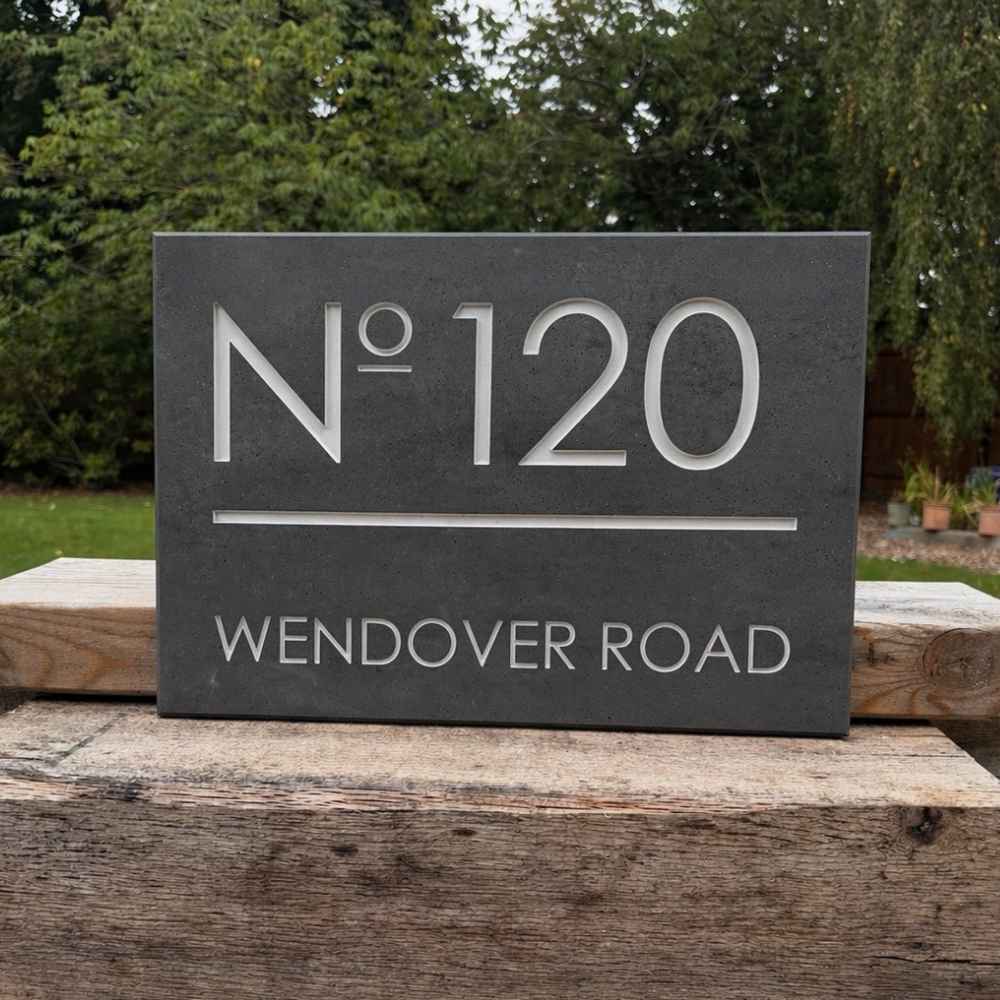
- Plot or building identification
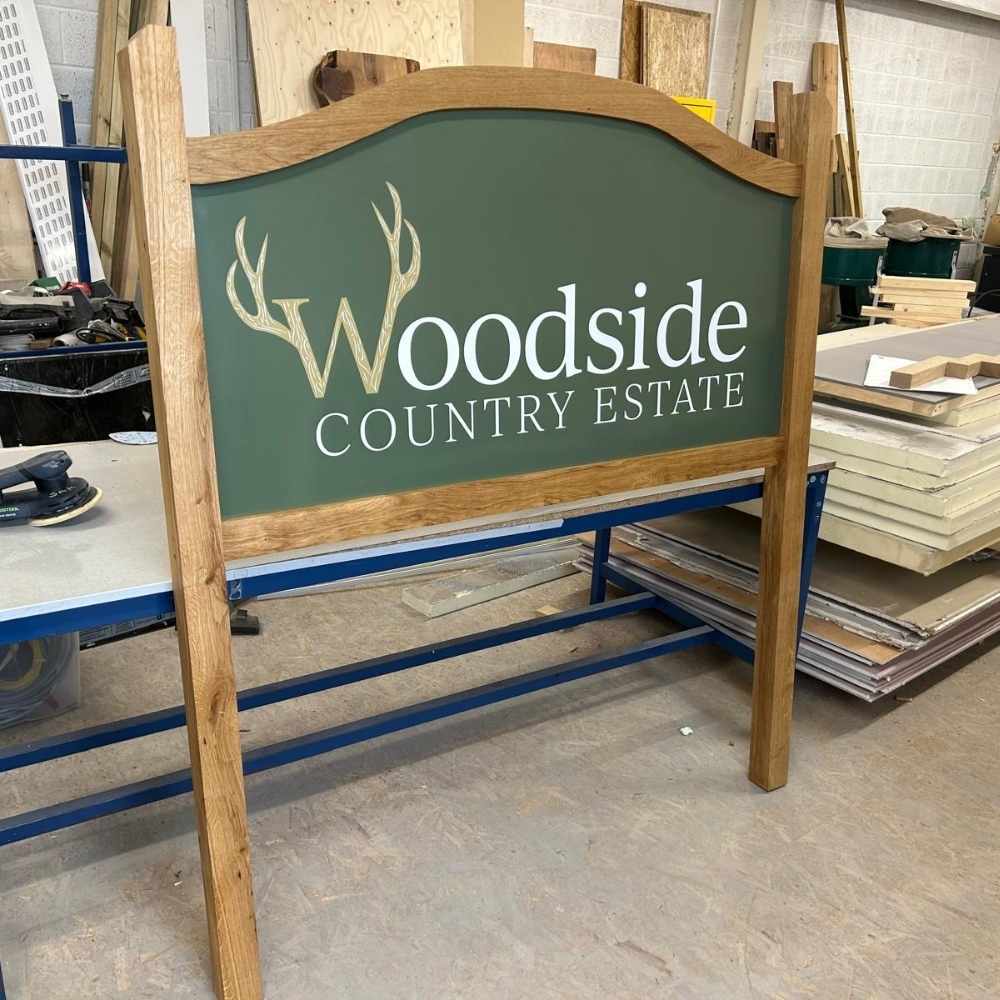
- Estate and branding signage
When designed correctly, this signage works as a cohesive system rather than individual elements.
For a broader overview of commercial applications, explore our Business Signs page.
Why a Joined-Up Approach Matters
For architects and property developers, consistency across a development is critical.
Signage plays a key role in:
- Establishing identity at the entrance
- Supporting navigation across the site
- Reinforcing the overall quality of the scheme
From our experience working across estate-style developments and commercial projects, the most successful outcomes occur when signage is considered as part of the wider design strategy — not as a standalone addition.
Signage as Part of the Architectural Language
A well-designed development communicates through materials, proportions, and detailing. Signage should sit within that same language.
This means aligning with:
- Primary building materials
- Landscape design
- The intended long-term appearance of the site
In rural or semi-rural schemes, natural materials such as oak often integrate most effectively — particularly when used across entrance features and Estate & Property Developer Signage.
Common Challenges in Development Signage
Across a range of projects, common issues include:
- Inconsistent signage across the site
- Poor visibility from access routes
- Material mismatch
- Temporary signage becoming permanent
These issues are rarely design failures — they are coordination failures.
Designing a Cohesive Signage System
Effective development signage is not a single feature — it is a system.
Typically, this includes:
- Entrance signage
- Directional signage
- Plot identification
- Informational signage
When designed together, these elements create clarity and cohesion across the site.
What Developers Should Consider When Planning Signage
From our experience, the most successful projects consider:
- Visibility from access roads
- Consistency across all signage elements
- Long-term durability of materials
- Integration with architecture and landscaping
Material Selection and Long-Term Performance
Developers aiming for a higher-end finish tend to prioritise:
- Durability in outdoor conditions
- Consistent ageing across signage
- Clear legibility over time
Natural materials such as solid oak are often specified for these reasons, particularly in estate signage and development signage projects.
Planning, Practicality, and Early Specification
Signage decisions affect more than aesthetics.
They influence:
- Installation methods
- Structural support
- Planning and conservation compliance
Introducing signage earlier allows for better integration, fewer compromises, and smoother approval.
Conclusion
For developers and architects, signage should be considered early — not as a final addition, but as part of the overall design strategy.
A joined-up approach ensures signage enhances both the visual quality and functionality of a development over the long term.

